Bet on Black: Dr. Louis Carr on Marketing in Every Era
A fireside chat with Dr. Louis Carr, moderated by Joi-Marie McKenzie.
Kimberly J. Lewis, M.Div. · Houston, Texas | 2026
A personal look at the sessions, ideas, people, and spaces that shaped my experience in Houston.
01 · My Experience
I attended AfroTech 2026 while balancing training responsibilities for work, so I couldn’t be in every room. Instead of pretending otherwise, this is an honest readout.
You’ll find the sessions I experienced, the slides and moments I captured, and, kept clearly separate, an overview of the broader program AfroTech published.
I came to AfroTech to learn how technology, especially AI, is changing the way organizations work. I wanted to hear directly from innovators and leaders, connect ideas to my work in AI and organizational transformation, and experience the community gathered around Black innovation.
Featured · 10-Year Anniversary
2026 marked ten years of AfroTech, and the anniversary showed up everywhere on site, from the giant “10” display to the wayfinding signs.
Video: @afrotech on Instagram. Shared via Instagram’s embed, not rehosted.
02 · My Favorite Sessions
Rigid workflows vs. agentic workflows, as captured in my slide photos.
The presenter ran a live demo with two lanes: a fixed, rigid workflow and an agentic workflow, both using the same business services. Each lane went through three rounds: clean input, messy input, and a service outage partway through.
The session’s framework, in short: standard workflows can suit predictable, fully specified work, while agentic approaches may help when inputs vary or need interpretation. The speaker framed this as the “boring 80%” and the “messy 20%.”
My takeaway
My biggest takeaway was that AI agents aren’t the right solution for every process. Predictable, well-defined work may be better handled by a standard workflow. Agents may be useful when information is messy or the next step isn’t known in advance, but they need clear limits, validation, monitoring, and human review.
Tap any slide to view it larger.
Other rooms I photographed.
A fireside chat with Dr. Louis Carr, moderated by Joi-Marie McKenzie.
Including a slide identifying Tetiana Anderson, Managing Partner at Starlight Media.
Opening visuals featuring AfroTech founder and CEO Morgan DeBaun.
03 · Conference-Wide Track Overview
An overview based on AfroTech’s published agenda . These are not all sessions I attended. The agenda notes it is subject to change.
Track 01
Agentic AI was a clear thread: live demos of agents handling ambiguity, building agents on major cloud platforms, and executive-level agent training. The agenda also made room for responsibility, with sessions on trust, fairness, and the human cost of smarter systems, plus creative AI demos in music and video.
Track 02
Practical, builder-focused programming: edge computing for low-latency AI, building AI products and enterprise agents at scale, securing AI-assisted development, and managing AI when it goes off-script. Meetups for tech leaders and “vibe coders” sat alongside hands-on demos.
Track 03
Anchored by the Future of Marketing Summit presented by People Inc., the track covered brand building, media and storytelling, creator businesses, publishing, and marketing across eras, including “Bet on Black” with Louis Carr.
Track 04
Career strategy for every stage: early-career meetups, interviewing and visibility, leadership and mentoring in big tech, reskilling, and putting AI agents to work as part of your own career growth.
Track 05
Founder-focused sessions on pitching, getting started, intellectual property, venture-backable companies, community-rooted products, and open-mic idea hours with well-known investors and founders.
Track 06
The published agenda lists only a few sessions under this exact track label, including healthcare user experience and what national health institutions offer. More HealthStack programming appears under related labels, so this summary is intentionally brief.
Source: afrotechconference.com/schedule
04 · The Expo & Conference Spaces
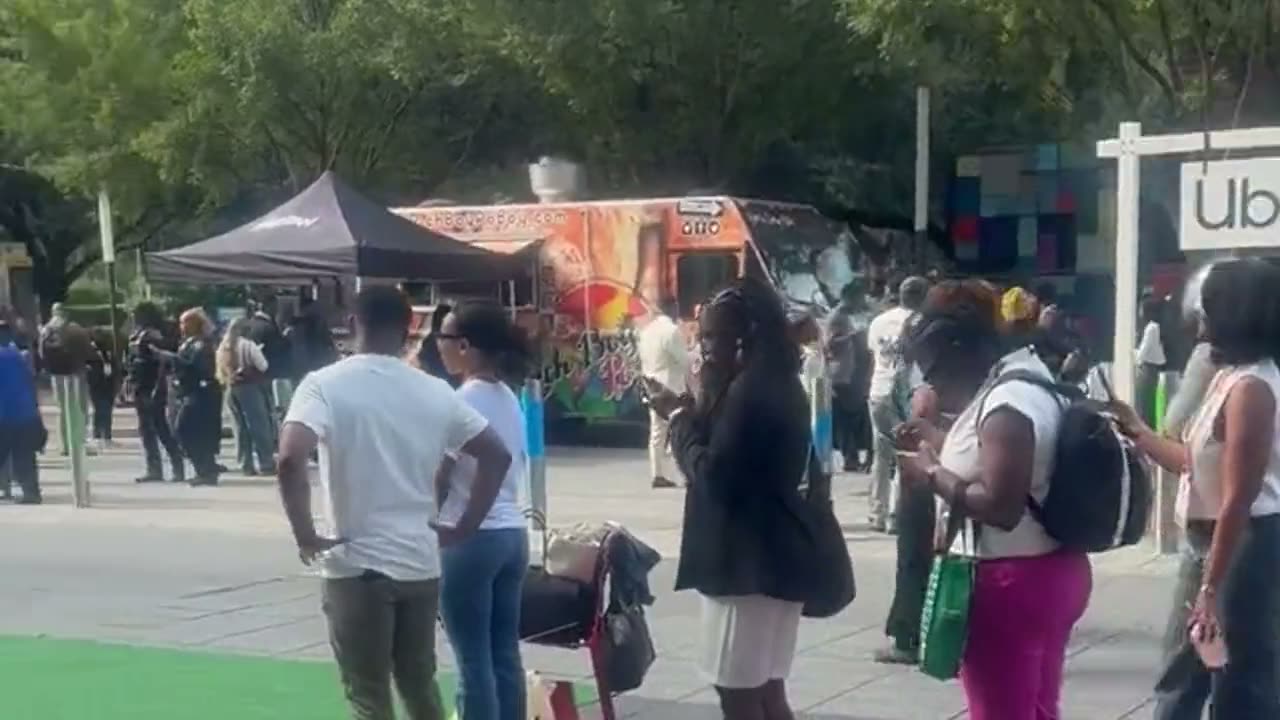
What I saw walking between rooms, alongside what the official agenda says happened in these spaces.
What I saw
From the official agenda
The published schedule places programming in spaces including the Product & Innovation Stage, the Expo Hall and The Yard, a Book Nook and Authors Pavilion, the Founders and HealthStack pavilions, a Smart Cities Pavilion, and the Coca-Cola Lounge. Listed activities there include open-mic idea hours, live demos, author conversations, and meetups.
Source: AfroTech schedule05 · Photo Gallery
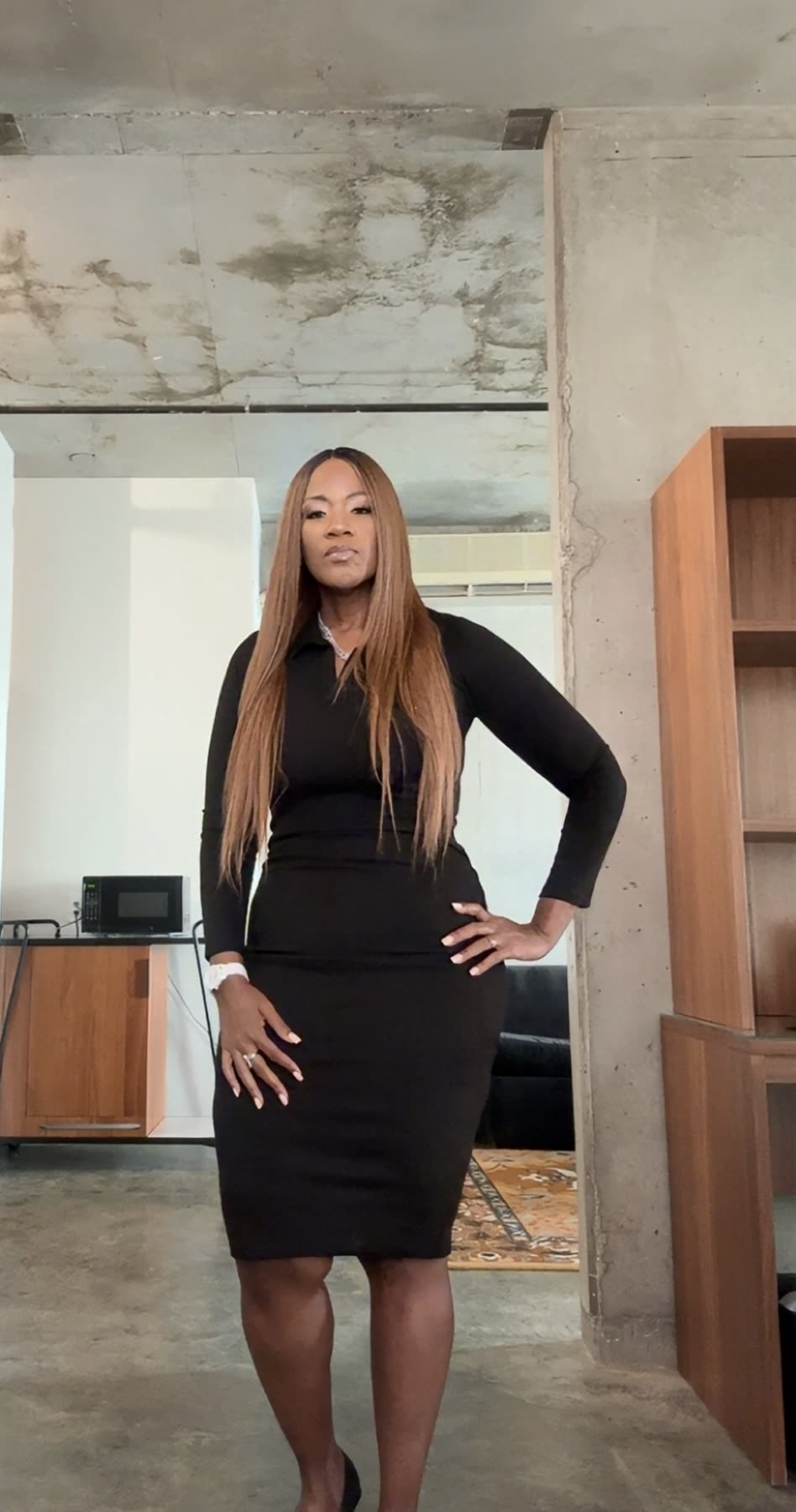
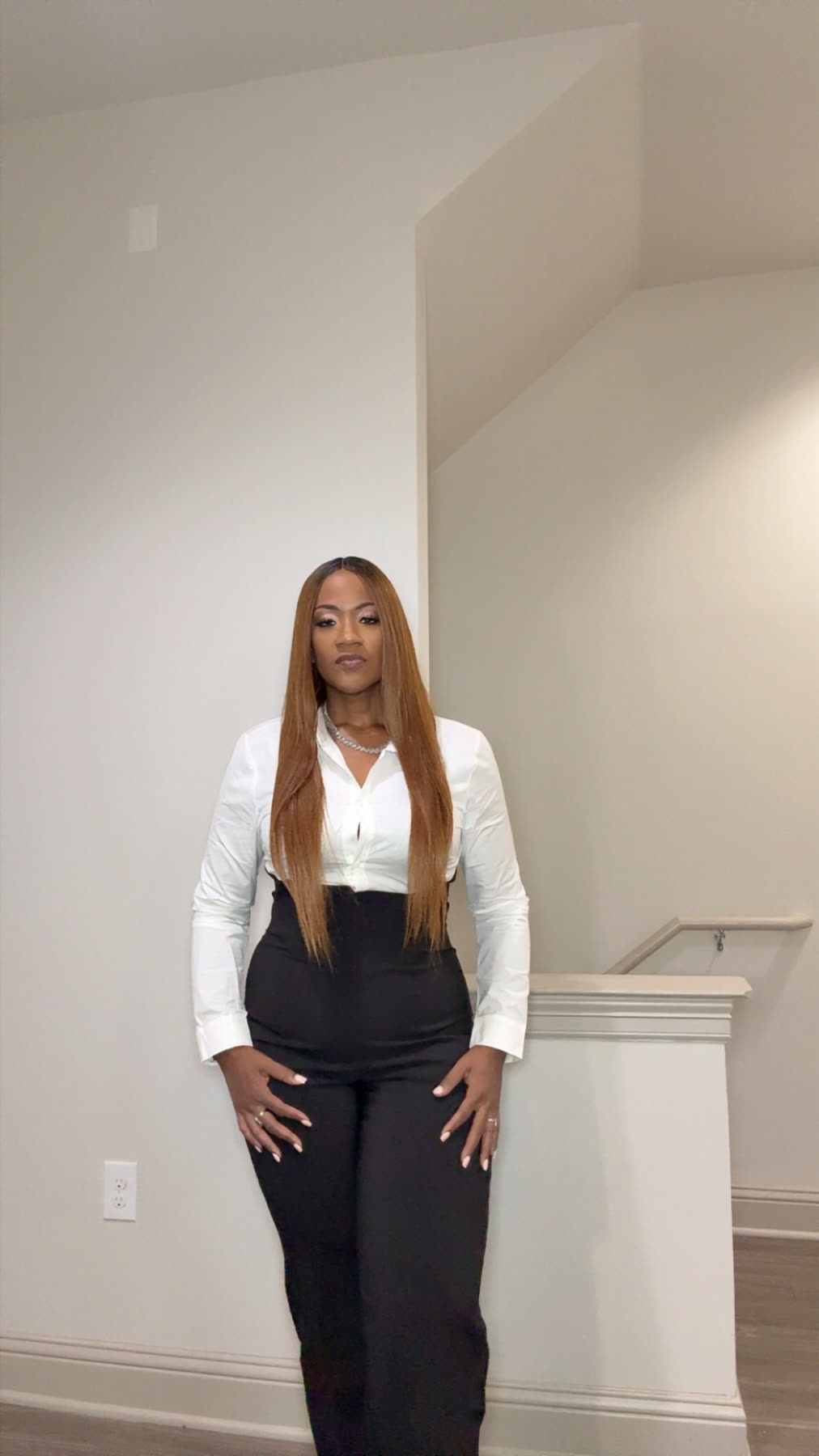
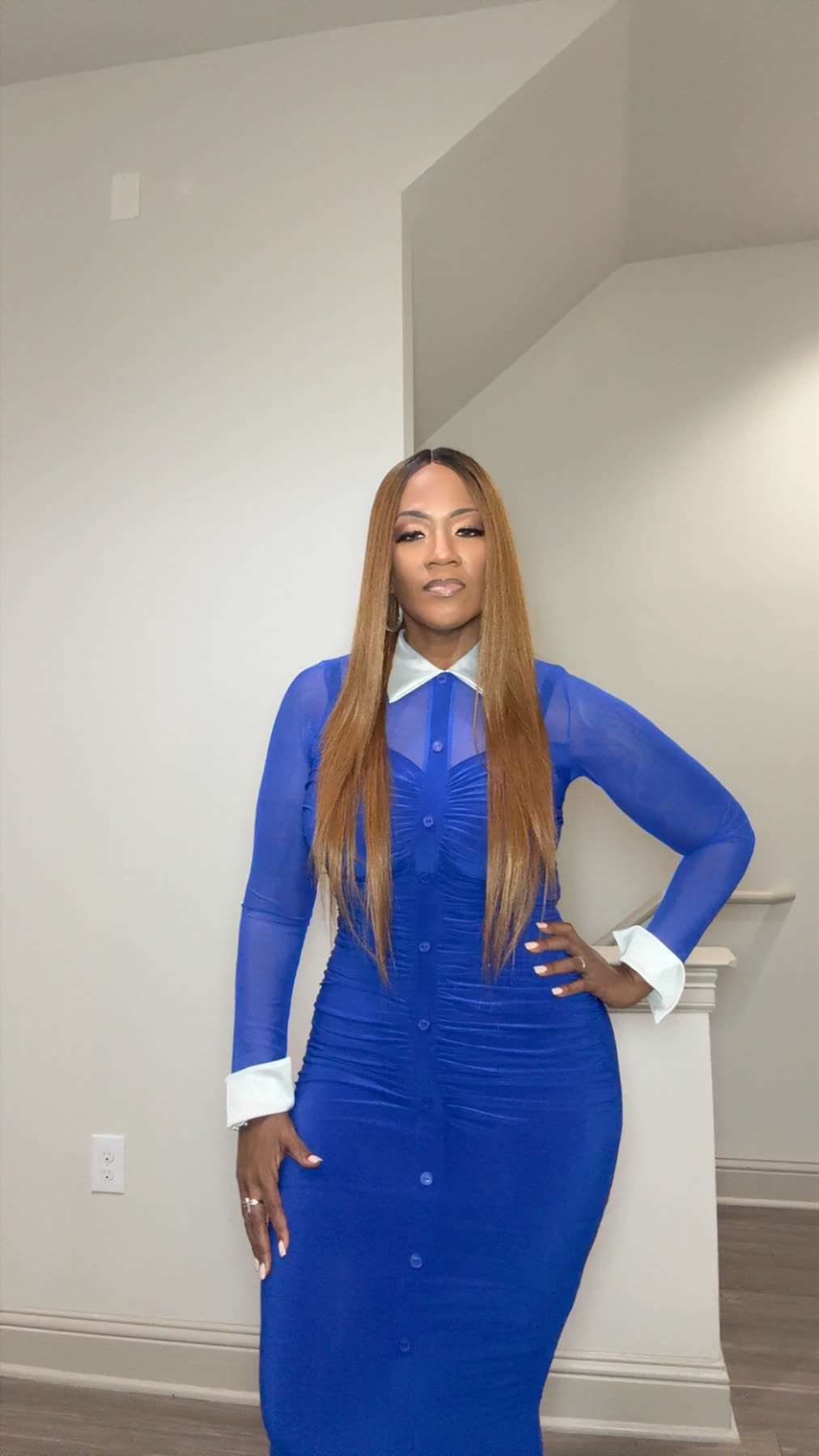
Personal portraits
06 · Key Takeaways
I couldn’t attend every session while balancing my work responsibilities, but the sessions and ideas I captured gave me practical questions to carry forward. I left grateful for the people, energy, and innovation I experienced at AfroTech, and I’m continuing to reflect on how these ideas connect to AI, leadership, and organizational transformation.
Looking ahead
This was my second year attending AfroTech, and I left even more impressed and inspired. I’m believing that one day I’ll have the opportunity to speak on an AfroTech platform about my passion for designing AI systems for good and bringing AI into everyday life through my God’s Diamonds initiatives. I want to help empower neurodivergent people to amplify their voices and use AI to help others better understand neurodiversity. Until then, I’ll keep building, learning, and preparing for the opportunity I hope and pray is ahead.
— Kimberly J. Lewis, M.Div.
About Kimberly
Kimberly J. Lewis, M.Div., is an AI and transformation strategist and digital experience creator who is passionate about using AI for good. Through her God’s Diamonds initiatives, she explores ways AI can help neurodivergent people amplify their voices and help others better understand neurodiversity. Her work brings together technology, purpose, and practical experiences designed to empower people.
Explore My Portfolio